Connect with us

entertainment

CDQ Moves Family to Europe After Music Breakthrough

Published

on

CDQ

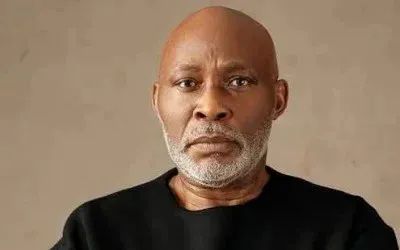
CDQ reveals he moved his mother and siblings to Spain after his first hit, highlighting how music success transformed his family’s life

Nigerian rapper Sodiq Abubakar Yusuf, professionally known as CDQ, has revealed that the success of his music career enabled him to relocate his family to Europe, providing them with a better life.

Also read: Nigeria’s Crude Oil Earnings Fall to $31.54 Billion in 2025

Speaking during a livestream with Nigerian content creator Carter Efe, CDQ said his mother and siblings had lived with him in Nigeria for over seven years before he moved them abroad.

Advertisement

“My family had been staying with me for over seven years. I moved my mother and siblings to Spain the very moment I got my first hit. The moment I got my first bread, I moved them out of Nigeria,” he stated.

CDQ credited his rise in the music industry as the catalyst for the relocation, highlighting how his career success directly improved his family’s living conditions.

Also read: Nigeria’s Crude Oil Earnings Fall to $31.54 Billion in 2025

The rapper has previously spoken about leaving his banking career for music and navigating the challenges of breaking into the Nigerian music scene, further illustrating the transformative impact of his journey on both his professional and personal life.

Advertisement

Continue Reading
Advertisement
Click to comment

Leave a Reply

Your email address will not be published. Required fields are marked *

entertainment

Tyla Breaks Silence With Call for United Africa After Backlash

Published

on

Tyla

Tyla calls for a unified Africa after backlash over xenophobic attacks, saying she is proud to be South African and African

South African singer Tyla Laura Seethal has called for a unified Africa during the South African Music Awards, weeks after facing criticism in Nigeria over her silence on reported xenophobic attacks against Nigerians in South Africa.

Also read: Trabzonspor Set €30m Price for Onuachu

Tyla made the remarks at the awards ceremony over the weekend, where she spoke positively about her South African identity while also emphasising the importance of continental unity.

Advertisement

“And I am just so happy to be South African. I’m happy to be African most of all. I pray one day to see a unified Africa. It’s so important,” Tyla said.

Her comments come after a heated debate in Nigeria over her planned Lagos concert and her perceived silence on renewed reports of xenophobic violence involving Nigerians and other African migrants in South Africa.

The controversy intensified in late July after Tyla announced her A*POP World Tour, which initially included a December 22 performance in Lagos.

Advertisement

Some Nigerians called for a boycott, arguing that a South African star should not perform in Nigeria while Nigerians were facing alleged xenophobic attacks in South Africa.

Others defended Tyla, saying she should not be held personally responsible for the actions of individuals or the South African government.

The dispute took a significant turn on 31 July when Lagos disappeared from the singer’s official tour itinerary.

Advertisement

The change was widely reported after checks of her tour schedule, although Tyla and her management did not publicly give a reason for removing the Nigerian date.

Her remaining South African performances were still listed, including shows in Cape Town and Johannesburg, making the Lagos removal particularly sensitive for Nigerian fans and commentators.

The backlash was not, however, without opposition. Some Nigerians and public figures argued that directing anger at Tyla was misplaced and that governments should be held responsible for protecting citizens and addressing xenophobia.

Advertisement

Omoyele Sowore, for example, said Nigerians should not hold Tyla personally responsible for violence carried out by others, while DACO LP Africa also argued that the singer should not be treated as responsible for government policy simply because she is South African.

The controversy unfolded against a wider diplomatic strain between Nigeria and South Africa.

In July, officials from both countries agreed to work towards easing tensions after a series of attacks targeting Nigerian nationals, with South Africa pledging stronger protection for foreign nationals and prosecution of those responsible.

Advertisement

The episode has also revived a longstanding conversation about the relationship between entertainment, national identity and political responsibility in Africa.

For Tyla, whose global profile has grown rapidly through songs including “Water”, the moment offered an opportunity to speak about her identity without directly addressing every aspect of the controversy surrounding her Lagos concert.

Her emphasis on being African “most of all” appeared to strike a broader note, particularly at a time when tensions between African communities have placed renewed attention on the idea of continental solidarity.

Advertisement

Whether the remarks will ease criticism in Nigeria remains uncertain.

The Lagos concert has already disappeared from the announced tour schedule, and no public explanation has been given for the change.

Also read: Trabzonspor Set €30m Price for Onuachu

Still, Tyla’s call for unity provides a softer response to a controversy that had become increasingly charged online, while leaving open a wider question about how African entertainers should respond when political and social tensions cross national borders.

Advertisement

Continue Reading

Trending